
![Boat parking at The Crow’s Nest in Venice [Photo: Lauren Jackson]](/sites/default/files/styles/popular_stories_teaser/public/2023-import/The-Crow%2527s-Nest-cropped__OPT.jpg.webp?itok=F_GZSs8A)


Best Birdwatching Spots in Sarasota County
Spot native Florida birds year-round in Sarasota County—from Gulf beach shores to mangrove flatland and brackish estuaries.
Spot native Florida birds year-round in Sarasota County—from Gulf beach shores to mangrove flatland and brackish estuaries.
Birdwatching is among the most peaceful, meditative and gratifying activities you can enjoy in Sarasota County. And while winter is largely birding "season" — as thousands of migratory birds make their way south to escape the northern chill — birdwatching is a fantastic year-round hobby to partake in thanks to our year-round sunshine, subtropical climate and ecological diversity. No matter the time of year, you're bound to run into a feathered resident.
Birds typically spotted along the Florida Gulf Coast include waders, such as herons and egrets (long, slender necks, who navigate local shorelines on their graceful stilt legs); pelicans, gulls, terns and the fierce, aquatic raptors, osprey, who roam the seaward skies and plunge talons-first at speeds up to 50 mph to snatch fish from Gulf and inland waterways.
Explore the Great Florida Birding and Wildlife Trail
South Florida's Great Florida Birding & Wildlife Trail is a comprehensive resource for birdwatchers and butterfly chasers exploring the Sunshine State, including Sarasota. Explore the site to learn about trails and habitats, the species of birds and butterflies you may encounter, and wildlife viewing tips in this network of over 510 wildlife viewing spots across the state.
We've put together a list below of Sarasota County-specific sites on the Trail. So keep your field guide handy, and don't forget to bring binoculars, water and sunscreen for your avian adventures. Happy birding!
Arlington Park
You may catch a glimpse of the iridescent purple and blue-green hues of the Purple Gallinule, small waders and seasonal migratory ducks at the quaint neighborhood park of Arlington, featuring hardwood hammocks and reclaimed swamp, nestled in the suburban outskirts of downtown Sarasota.
Blind Pass Beach Park
You're unlikely to encounter many other humans on the serene, one-mile Gulfside stretch of Blind Pass Beach Park on Manasota Key. Spotted Sandpiper, Willet, Dunlin and Black-bellied Plover are some of the common shore birds birders are likely to encounter while combing the beach. Launch a kayak or canoe to explore the mangrove swamps and lagoon off nearby Lemon Bay Aquatic Preserve.
Carlton Reserve
One of the largest sites on this list, Carlton Reserve in Venice, is likely worth multiple visits to explore its 80+ miles of hiking trails and varied ecologies. The Carlton Reserve encompasses 24,500 acres of hardwood hammock, pine flatwood, prairie and oak scrub. The Florida Fish and Wildlife Conservation Commission recommends phoning the reserve ahead of time for trail conditions and to request a backcountry map.
Caspersen Beach Park
Two miles of Gulf beach shoreline and coastal hammock provide chances to spot an array of shorebirds, but keep your ears open, too, for the trill of migratory warblers paying a seasonal visit. Caspersen Beach in Venice is also home to two families of the rare Florida Scrub Jay.
The Celery Fields
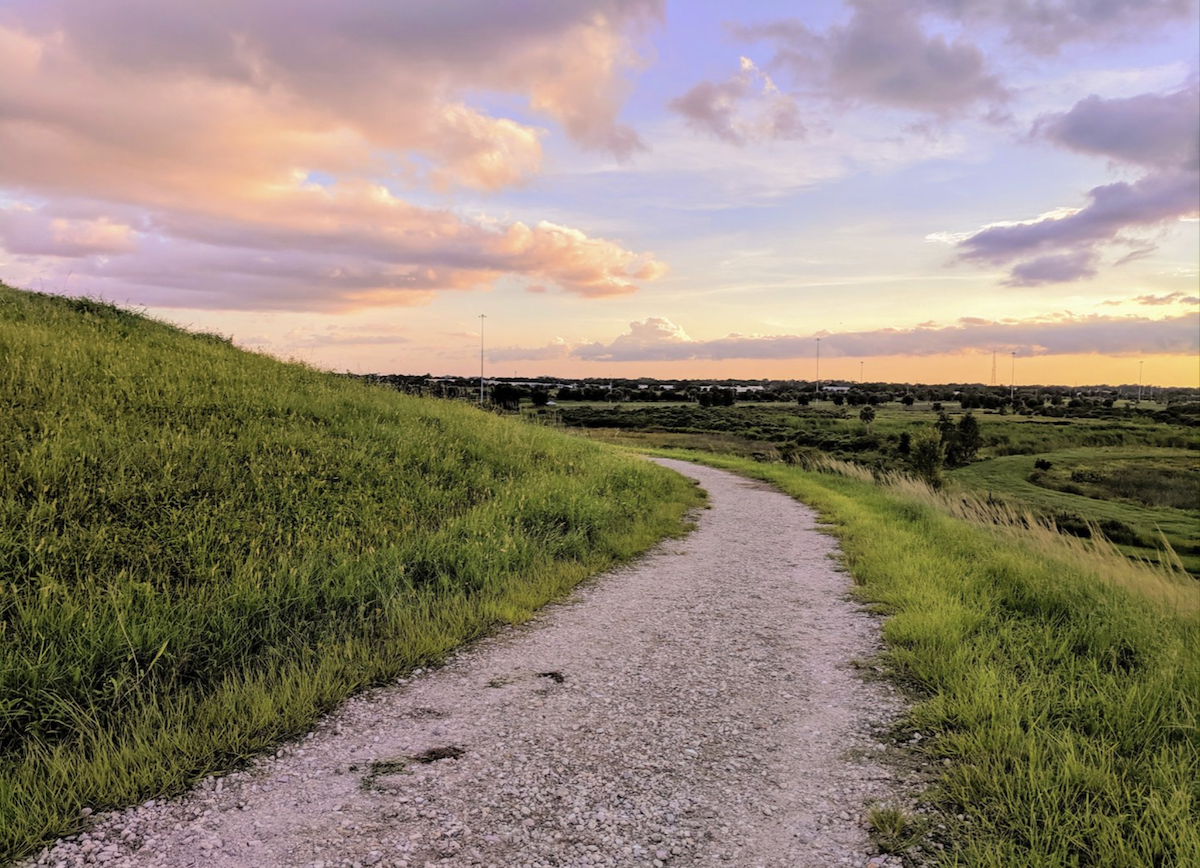
Birders associated with the Sarasota Audubon Society have logged over 320 species for Sarasota County, with more than 250 species recorded at the famous Celery Fields hotspot alone, making it a top birding destination in Florida. The 360+ acre site serves as the region's primary stormwater collection and flood mitigation zone — a space consisting of open marshlands, deep ponds, shallow pools and canals, with over 20,000 aquatic plants and trees in its ecology. Two Celery Fields boardwalks at Palmer Boulevard and Raymond Road offer excellent wildlife viewing opportunities. The Audubon Society recommends winter visits to spy migrating sparrows, Marsh and Sedge Wrens, and several species of rails, including Sora and Virginia.
Crowley Museum and Nature Center
Explore pine flatwoods, hardwood hammocks, freshwater marsh, swamp and riverine areas interspersed over two miles of trails at Crowley Museum and Nature Center. Crowley also includes a 2,000-ft elevated boardwalk and observation tower — a great spot to view birds of prey, including Bald Eagles, Barred Owl, Red-Shouldered Hawk and Crested Caracara. Smaller, eye-catching species like the White-Eyed Vireo and the Northern Parula, as well as the boisterous Black-Bellied Whistling Duck, frequent this biodiverse park.
Indian Mound Park
This tiny Englewood park is a direct result of Indian habitation — a spot the Indians were attracted to for its availability of resources on land and in the bay. Spanning 7 acres overlooking Lemon Bay, catch a glimpse of an American Oystercatcher using its formidable beak to hammer open oyster shells, or Osprey and Bald Eagles dive-bombing the bay for a fresh fish meal. Ruddy Turnstones, Western Sandpipers and numerous shorebirds also frequent Indian Mound Park.
Jelks Preserve
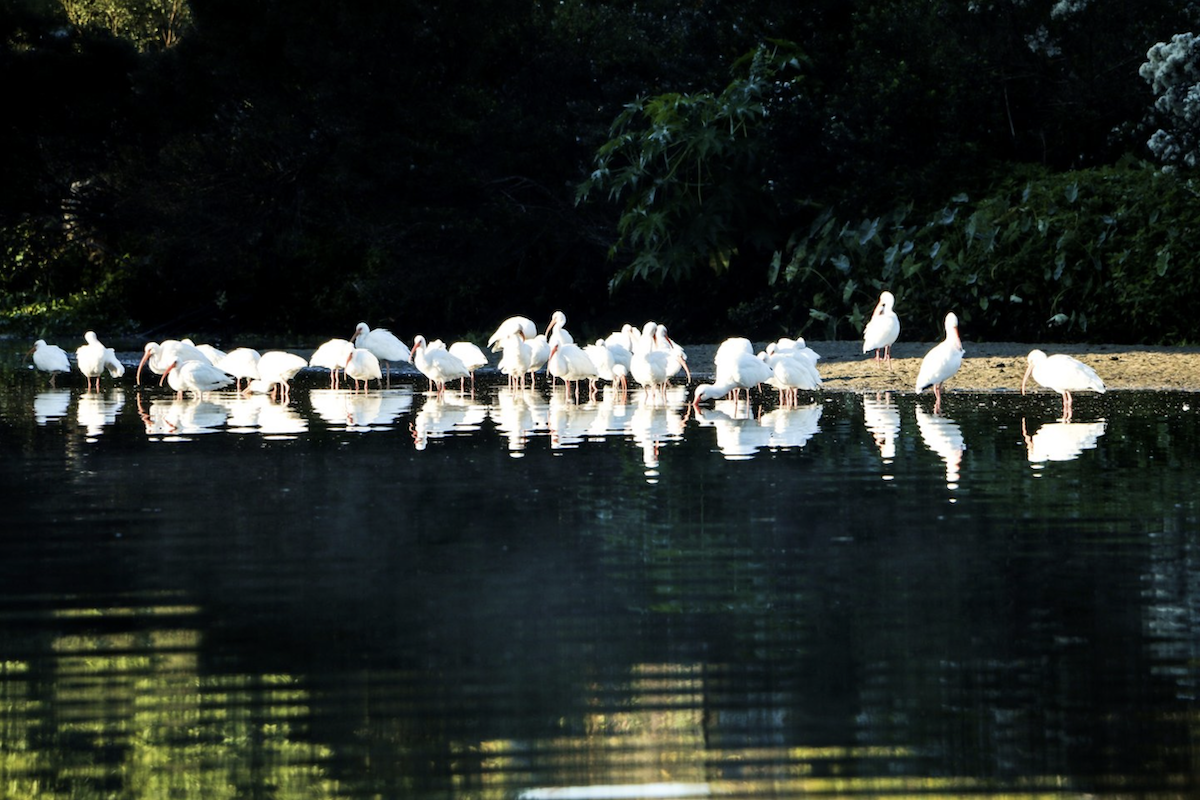
The Myakka River borders this 600-acre site in Venice. Pine flatwoods, moss-draped mesic hammock and epiphytic hardwoods provide shady environments to view various species of warblers, woodpeckers and the occasional Barred Owl. Jelks Preserve's wet prairie and freshwater swamp habitats are home to a number of spindly-legged wader species, Osprey and the occasional Wood Stork. In the less-shaded scrub, visitors might spot Eastern Towhees and Eastern Bluebirds pecking around for insect snacks.
Lemon Bay Park & Environmental Center
Find coastal trails speckled with scenic beach overlooks and more than two miles of pine flatwood trails tracing through the Lemon Bay Park. This site hosts birds of prey, woodpeckers, nesting Wood Duck families, scores of migrating warblers and the occasional Magnificent Frigate (aka "Man 'O' War") — a large species whose males inflate a striking red balloon on their throat to attract females during mating season. Call the Environmental Center to learn about guided bird walks and other educational nature programs.
Myakka River State Park
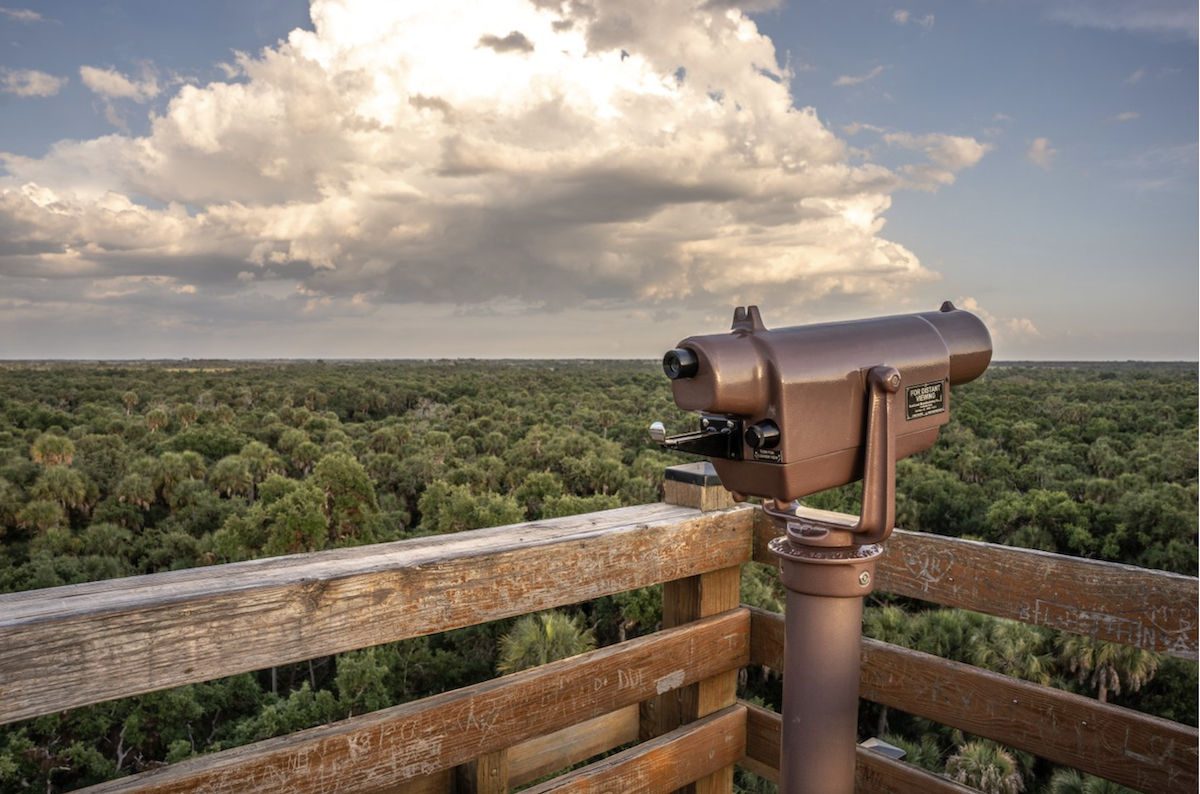
Myakka River State Park spans more than 58 square miles of wetlands, prairies, pinelands and hammocks housing migratory species, ducks, raptors, songbirds, wading birds and more. During the peak birdwatching months of November through April, a bird naturalist is available at the park's famous Birdwalk from 9am–1pm, most days of the week. Guests can call the ranger station ahead of time to find out if the bird naturalist will be on duty during their visit. Alternatively, you can climb the state park's 74-ft-tall observation tower, offering panoramic views above the treetops and a birds-eye-view (pun intended) that matches the vantage point of flying Bald Eagles, Ospreys, Kites and Hawks.
Oscar Scherer State Park
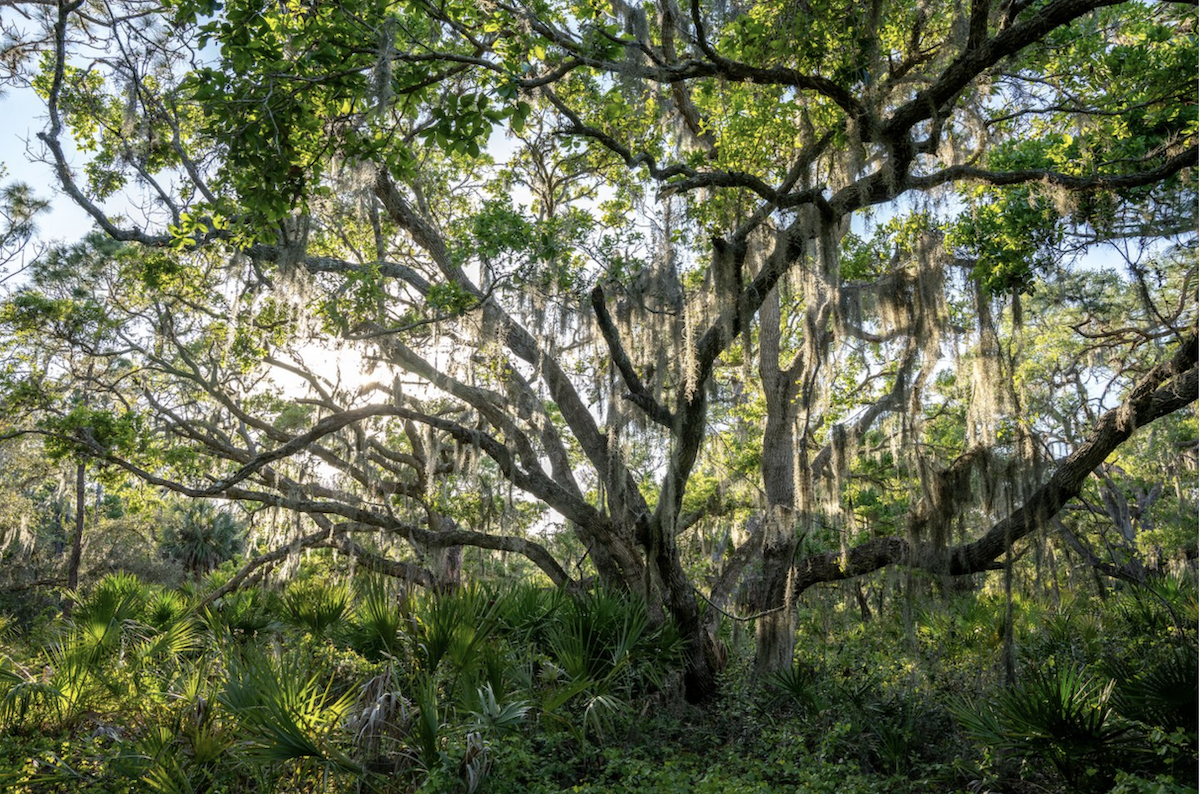
Birders hoping to catch a glimpse of the threatened Florida Scrub Jay should pack up their binoculars for a trip to Oscar Scherer State Park. There are very few spaces, scattered solely throughout Central and Southwest Florida, that can claim an "abundance" of Scrub Jays — and Oscar Scherer is among the rare habitats where this elusive homebird can be found, along with over 200 other species of birds. The Friends of Oscar Scherer offers a neat Checklist of Birds at the state park, in collaboration with the Sarasota Audubon Society.
Pinecraft Park
The Florida Wildlife Conservation Commission describes Pinecraft Park as a mesic hammock environment that is more reminiscent of North Florida than most locations on this list. This is thanks to the 15-acre park's high, dense canopy of elm, hickory and oak trees, where petite hawks like the Sharp-Shinned Hawk and Cooper's Hawk make their home, along with warbler and thrush species. The areas of the park bordering Phillippi Creek are home to aquatic species, including herons, moorhens (marsh hens) and ibises.
Quick Point Nature Preserve
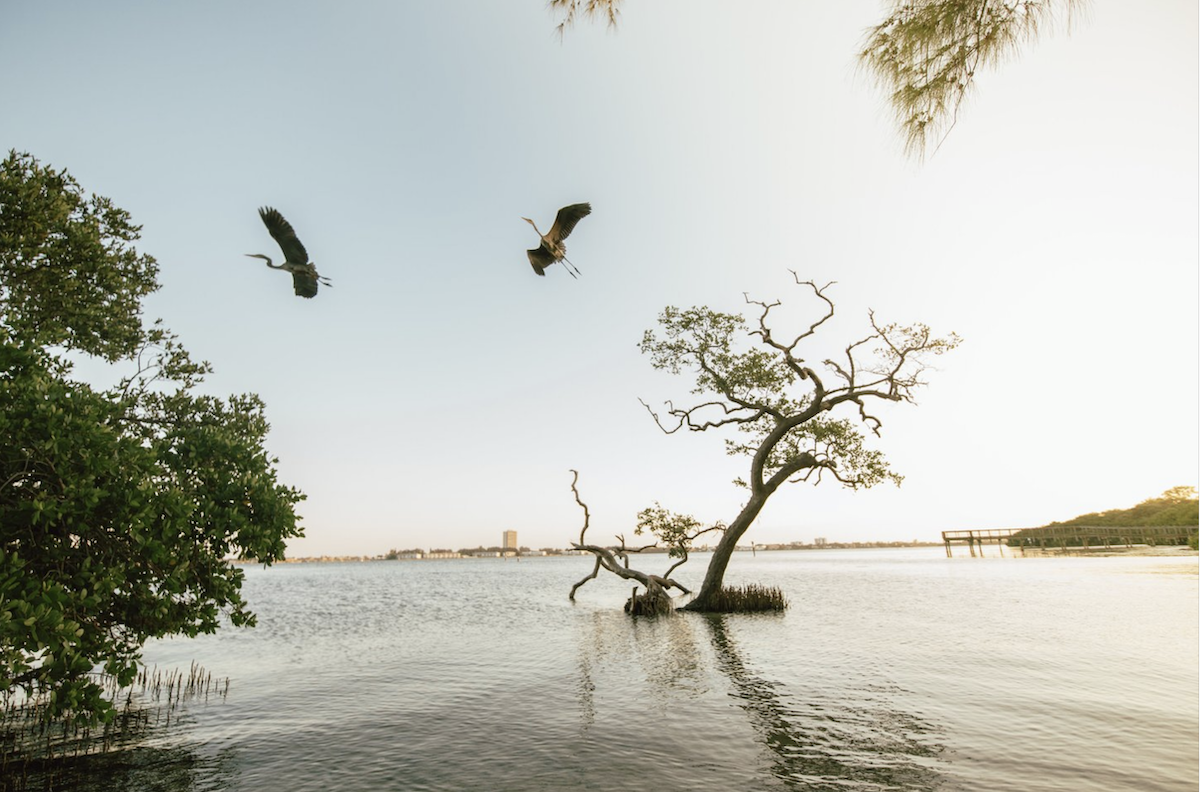
Quick Point Nature Preserve's scenic boardwalk on the edge of Longboat Key overlooks modest trail systems along Sarasota's New Pass Inlet. This locally loved spot offers birdwatching opportunities among a mix of beachy ecologies, including mangrove estuaries and tidal swamps where waders reign supreme and anglers reel in fish under the bridge. Look up to spot Osprey, Terns and gulls riding the thermals in hunt of a seafood snack.
Red Bug Slough Preserve
Although Red Bug Slough Preserve borders a suburban neighborhood, it's easy to feel secluded from the outside world while traversing the quiet, moss-draped trails that connect the hammock and swampy slough. Here, you may spot Green Heron, Wood Ducks and Mottled Ducks, Belted Kingfisher, Limpkins, and more.
Shamrock Park & Nature Center
This park serves as a trail connector between Caspersen Beach and the Venetian Waterway Trail. In addition to Caspersen and Oscar Scherer State Park, Shamrock Park is one of the best spots to view the Florida scrub jay — and its ADA-accessible paved walkway makes it among the most accessible. The local Audubon Society chapter has recorded more than 170 species of birds, here, including the pterodactyl-like Magnificent Frigatebird and, during the summertime, impressive Swallow-Tailed Kites that hunt the shorelines.
Siesta Beach
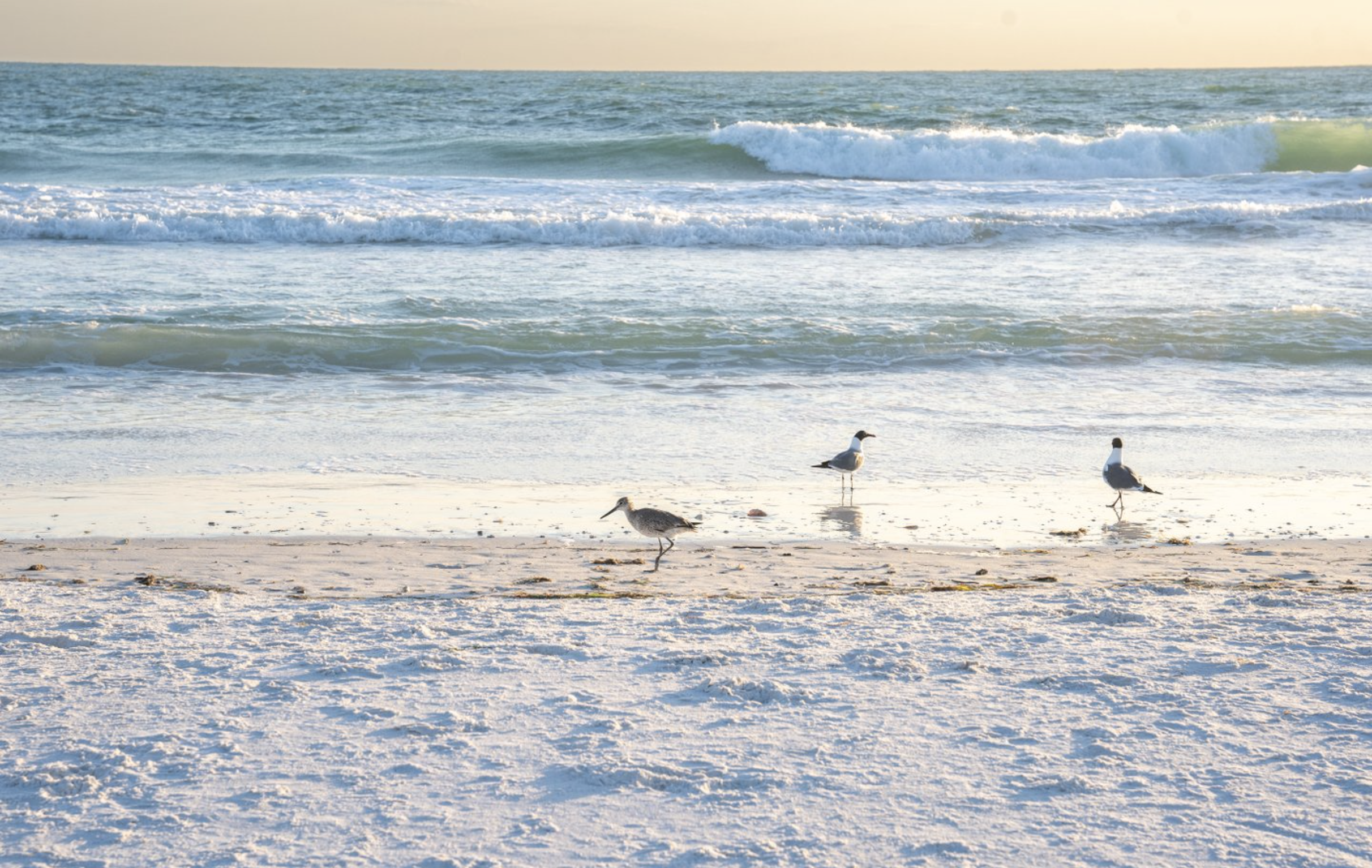
Serious bird aficionados know the early morning hours are the best time to spot feathered friends, but in the case of Siesta Key Beach, arriving early is a must. Consistently rated one of the top beaches in the US, humans flock to this beach by midmorning in droves, and often stay for the sunsets — but misty early morning hours offer a quieter opportunity to view migratory shorebirds, Roseate Spoonbill, Reddish Egret and rarer species, like Red-Necked Phalarope, Razorbill and Elegant Tern.
Visit Sarasota and Venice Audubon Societies
Spend some time with the Sarasota Audubon Society to learn about upcoming birding field trips throughout the year, plus overnight excursions, conservation efforts, birding hotspots, Nature Center workshops and educational programs. The Sarasota Audubon Society also offers a handy local bird checklist, as well as an opportunity to sign up for rare bird-sightings alert via SRQ Bird Alerts email service.
Wildlife photographers from across the globe flock to Venice Area Audubon Rookery to capture shots of Great Blue Heron and Egrets, Anhingas, Night Herons and other gorgeous wading birds who populate the rookery island's deep lake. The Venice Rookery features a shaded pavilion that offers an intimate view of birds' activities on the lake, where they build nests, court and mate, hatch eggs and raise chicks. Check in with the Venice Audubon Center for free environmental programs from September through May, and keep an eye on the events calendar for field trips and other group activities for bird enthusiasts.
Spend the Day at Save Our Seabirds
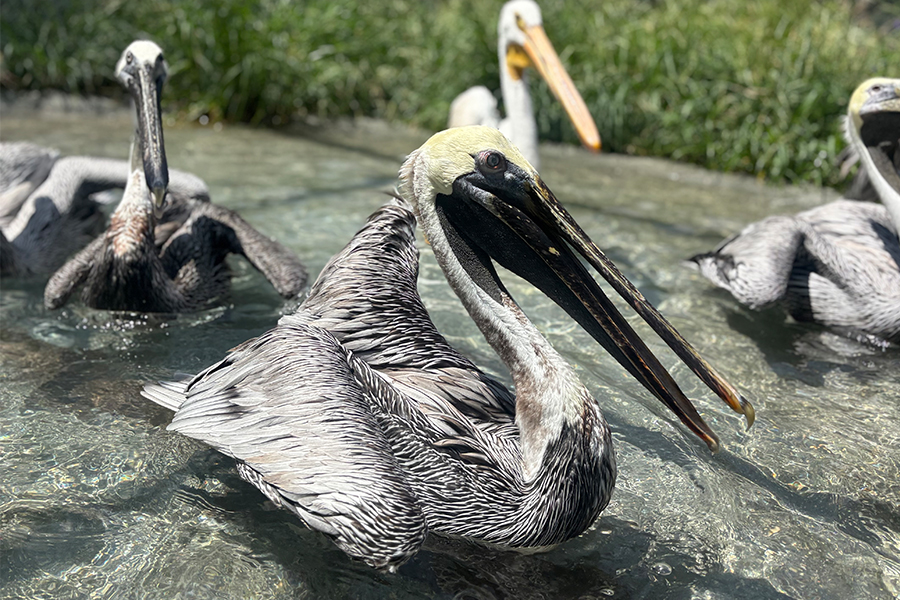
Photo courtesy of Save Our Seabirds
Just in case you don't have luck in the wild, or maybe you do and want to double down on more birdwatching, there is Save Our Seabirds (SOS) on Lido Key's City Island. The 3-acre living museum offers educational displays and features nearly 120 live birds that have been injured, rescued and treated, but are unable to return to the wild due to the severity of their injuries.
Families and curious travelers can wander the shaded Bird Walk, where parrots chatter and dance for fun, sandhill cranes lift their booming calls into the air and owls peer from their perches with quiet curiosity. It’s a serene escape tucked amid lush subtropics and mangroves, complete with running ponds, leafy paths and quiet corners — a refuge from bustling city life for both birds and people. Every day at noon, guests can experience Pelican Feeding Frenzy, where the Avian Keepers share fascinating facts about these incredible birds while feeding a lively flock of nearly 15 pelicans. Stick around for Ravenous Raptors, a brand-new program featuring live training demonstrations with resident raptors. Watch as they respond to keeper cues, learn about their remarkable adaptations and see them enjoy a well-earned meal. Beyond the campus, you can book SOS's Birding 101, a guided birding excursion through Sarasota's natural landscapes.
Want to pivot your bird spectating to something more hands-on and educational? SOS offers a Wild Bird Rescue Training workshop that teaches how to safely rescue and transport sick, injured or orphaned wild birds to the Avian Hospital. Or join its Feathered Friends of Sarasota, a three-part on-campus series exploring wading birds, raptors and backyard birds and waterfowl. Having recently partnered with Natural Encounters, the team behind Disney’s Animal Kingdom bird program, SOS will also soon bring even more engaging experiences to guests in the near future. Stay tuned, avian lovers!